
Professional Rodent Control in Bend, Oregon
#1 Rodent Control Bend OR | Mice & Rat Removal
Same-Day Rodent Control Bend Service. Exclusion-first. No poison. Oregon licensed. Hantavirus-Safe Protocols
Also Serving Awbrey Butte • Northwest Crossing • Old Bend • Sunriver • Redmond • Sisters.
300+ Reviews
Licensed & Certified
100% Satisfied clients
How Bend Homes Border Deschutes National Forest And Deer Mice Never Stop Coming?
Rodents establish scent trails within 48 hours of entry. Once a trail exists, every deer mouse within range follows it. Breeding every 21 days, year-round, with no natural predators inside your home and no stopping point without exclusion. Bend deer mice carry hantavirus. The CDC confirms it. Most pest companies ignore it. We do not. Permanent results for homeowners, vacation property owners, and Sunriver STR hosts.
📞 Call (458) 291-2529 Same-Day Inspection Available
Rodent Control in Bend OR:
Why Ponderosa Pine Forest Changes Everything.
Most cities have an urban rodent problem.
Bend, Oregon has a completely different problem.
Your home sits at 3,623 feet elevation, directly
bordering Deschutes National Forest, one of the
largest Ponderosa pine forests in America. Inside
that forest live millions of deer mice (Peromyscus maniculatus). Every September when Bend temperatures drop below 40°F, they migrate.
Not a few. Millions. And Bend homes are their destination.
This is why the national pest companies fail here.
Their technicians are trained on urban Norway rats
and city house mice not on forest-edge deer mouse
migration that resets every single fall unless every
entry point is permanently sealed with materials
rated for Oregon mountain conditions.Just honest reporting from a licensed, experienced team you can rely on.
Three Questions Every Bend Homeowner Asks First
I keep hearing scratching in my walls after midnight. Is it mice or deer mice and does that actually matter?”
Yes. In Bend, it matters more than anywhere else in Oregon. If you are hearing scratching sounds after dark, usually between midnight and 3am and finding small dark droppings along baseboards or in kitchen cabinets, you have rodents. The question is which kind. House mice are a nuisance problem. Deer mice are a health problem. Both scratch at night. Both nest in attics and walls.
But deer mice — the species migrating from Deschutes National Forest into Awbrey Butte, Northwest Crossing, and Shevlin Park homes every October carry Sin Nombre hantavirus. The virus spreads through breathing dust from dried droppings. Not through bites. Not through touching surfaces with gloves. Through breathing in a dusty attic or wall cavity without an N95 respirator. This is why any rodent situation in Bend requires professional handling with proper protocol not a DIY snap trap, not foam sealer, and not a general exterminator who learned rodent control in Los Angeles. If you are hearing it in the attic near forest-facing walls, especially in a home on Awbrey Butte, Northwest Crossing, or anywhere near a forest boundary assume deer mouse until proven otherwise.
I had an exterminator put traps out twice. The rodents keep coming back. Why won’t this stop?”
Because trapping without exclusion is not a solution. It is a subscription with no endpoint. Here is exactly what is happening in your home: A rodent enters through a gap in your soffit. A gap you cannot see from the driveway. The exterminator places bait stations and collects your monthly payment. Some rodents are caught. New deer mice from the Deschutes National Forest follow the existing pheromone trail back through the same unsealed gap within 48-72 hours. The trap catches them too. Monthly payment collected. This continues for 18 months at $75-$150 per visit. That is $1,350-$2,700 spent with your problem never resolved.
Reddit is full of Bend-area homeowners asking: “Is $7,000 normal for rats?” and “Why does my pest control keep coming back?” The answer is always the same: they are treating the symptom, not sealing the source. The only permanent solution: Remove every animal currently inside. Then seal every entry point over ¼ inch with stainless steel hardware cloth rated for Oregon freeze-thaw conditions. One job. No monthly invoice. 90-day guarantee.
There is a terrible smell coming from my wall or attic. I think something died in there. What do I do right now?
Stop. Do not disturb anything without proper protection. In Bend specifically and this is not a general warning you will read on every pest control website a dead deer mouse still presents hantavirus risk through dried droppings and contaminated insulation surrounding the carcass. A dusty attic with deer mouse debris is the highest-risk environment for hantavirus exposure in Central Oregon. What NOT to do:
→ Do not dry-vacuum the area
→ Do not sweep or disturb droppings
→ Do not go into the attic with just a dust mask → Do not use air fresheners. They mask but do not eliminate What to do right now: Do not disturb the area. Call (458) 291-2529 immediately. What we do: We use thermal imaging to locate the carcass without random searching through contaminated material. Full N95 respirator and nitrile gloves before any entry. All surfaces pre-sprayed with enzyme solution before any disturbance. Carcass removed in sealed double bags. Enzyme deodorizer applied to all surrounding areas. Odor typically resolves in 5-10 days with proper treatment. Air fresheners mask the smell temporarily. Enzyme treatment eliminates the organic compounds causing it. Only one of those actually works.
Click Here to read more Frequently asked rodent control questions from people in Bend, OR
Serving Bend OR and Central Oregon since 2021
Rodent-only specialists, not generalists
Complete Rodent Control Services in Bend, OR and Central Oregon. Every service below is performed by rodent specialists not generalists who split training across 20 pest types. One focus. Permanent results.
Why Rodent Control Bend Wins?
Best Rodent Control Near you!
Our Services
Commercial Rodent Control Bend OR
Restaurant, retail, and office rodent management in Bend’s growing commercial district. Health department compliance documentation provided on every job.
Three Things Make Bend Worse Than Other Oregon Cities
The CDC and Oregon Health Authority confirm Central Oregon deer mouse populations carry Sin Nombre hantavirus. Every mouse situation in Bend is also a health situation. Not something to handle with a snap trap from Home Depot.
2. FREEZE-THAW ENTRY POINTS
Bend winters create repeated freeze and thaw cycles. This lifts fascia, widens soffit gaps, and cracks foundation seams every winter creating new entry points every year unless exclusion is done right the first time with mountain rated materials.
3. UNLIMITED FOREST SOURCE
General exterminators bait and trap but leave entry points open. New deer mice follow pheromone trails back through the same gaps within 48-72 hours. Deschutes National Forest has millions of mice. The forest never runs out. Exclusion is the only answer.
The Honest Comparison Between Rodent Control Bend and Others
Why Bend Homeowners Choose Us Over
National Chains and General Exterminators. We are not being modest. Bend homeowners deserve
to see the real differences before spending money.
|
Feature |
Our Approach |
Standard Industry Approach |
|
Rodent-Only Specialists |
✅ |
❌ |
|
Deer Mouse Hantavirus Protocol |
✅ |
❌ |
|
Exclusion-First Method |
✅ |
⚠️ |
|
No Poison Ever |
✅ |
⚠️ |
|
Freeze-Thaw Rated Materials |
✅ |
❌ |
|
Transparent Pricing Published |
✅ |
❌ |
|
GPS-Tagged Entry Point Report |
✅ |
❌ |
|
Sunriver Remote Property Service |
✅ |
❌ |
|
Photo Documentation Every Job |
✅ |
❌ |
|
90-Day Return Guarantee |
✅ |
❌ |
|
One-Time Permanent Fix |
✅ |
❌ |
|
No Monthly Subscription Trap |
✅ |
⚠️ |
Generalists treat rodents as one of 20 problems. We treat rodents as the only problem that matters.
Every training hour, every tool, every material is focused on one thing: keeping your Bend home rodent-free permanently.
Our 5-Step Process – How It Works
From Your First Call to Permanently Quiet Home – Our 5-Step Process No guesswork. No surprises. Photo proof at every stage.
STEP 1: Phone Triage 5 Minutes
You tell us what is happening. Where you are hearing it. What time of day. Whether you have kids or pets at home. How close you are to the forest edge. Whether Ponderosa pine branches touch your roofline. These five questions tell us the most likely entry vector before we arrive. So we come prepared with the right tools, not a generic pest kit.
STEP 2: Full Property Inspection and Photo Mapping
Our technician inspects every area rodents use or could use: attic, crawlspace, foundation perimeter, roofline, soffit-fascia junction, plumbing penetrations, vent screens, garage threshold seals, and AC return gaps. Every entry point is GPS-tagged, photographed, and rated A/B/C by urgency level. You receive a same-day digital photo report. Remote Sunriver and vacation property owners receive the full documentation digitally. You see every finding without being on-site.
STEP 3: Transparent Written Estimate – No Pressure
You receive a written photo report with a clear plan and real pricing ranges within hours of inspection. You approve everything before we start. Zero pressure. Zero upsell. Zero “call for a quote” games. We publish our prices on this website. If you are comparing us to companies that say “call for a quote” that is why we are different.
STEP 4: Mechanical Removal – No Poison, Ever
Snap traps and one-way exclusion devices only. No rodenticide. No poison bait stations. No chemicals of any kind. Why this matters in Bend specifically: Poison kills rodents currently inside your home but leaves every entry point open. New deer mice from Deschutes National Forest follow pheromone trails back through the same unsealed gaps within 48-72 hours. Poison also creates dead deer mice in your walls and dead deer mice with hantavirus in a dusty attic are the highest-risk scenario we respond to. Our method is completely safe for children, dogs, cats, and for the great horned owls, ospreys, and red-tailed hawks that hunt near Bend’s forest edge. Secondary poisoning from anticoagulant bait kills these birds. We never create that risk.
STEP 5: Permanent Exclusion, Cleanup, and Follow-Up
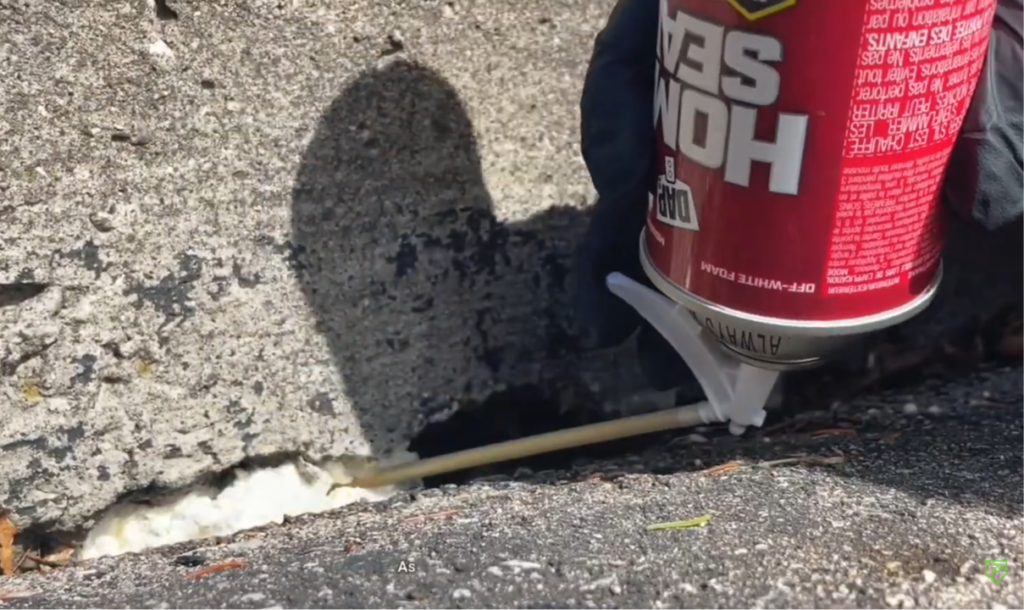
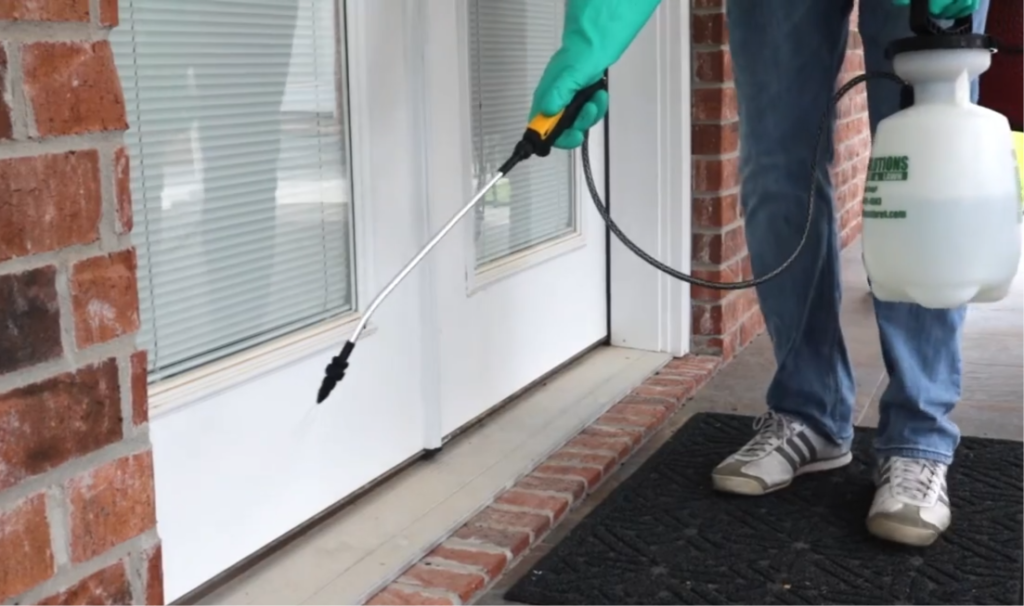
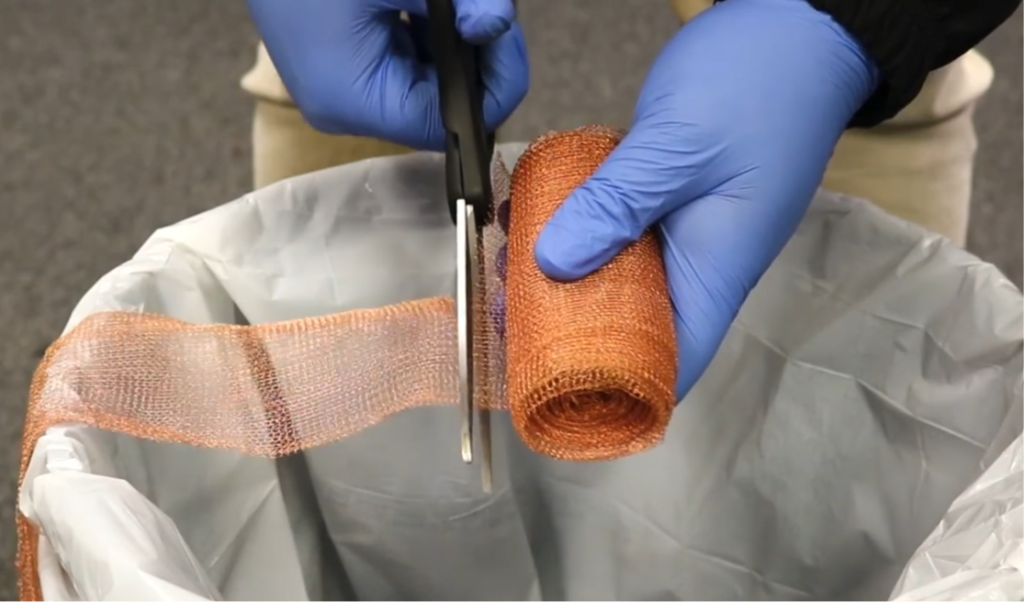
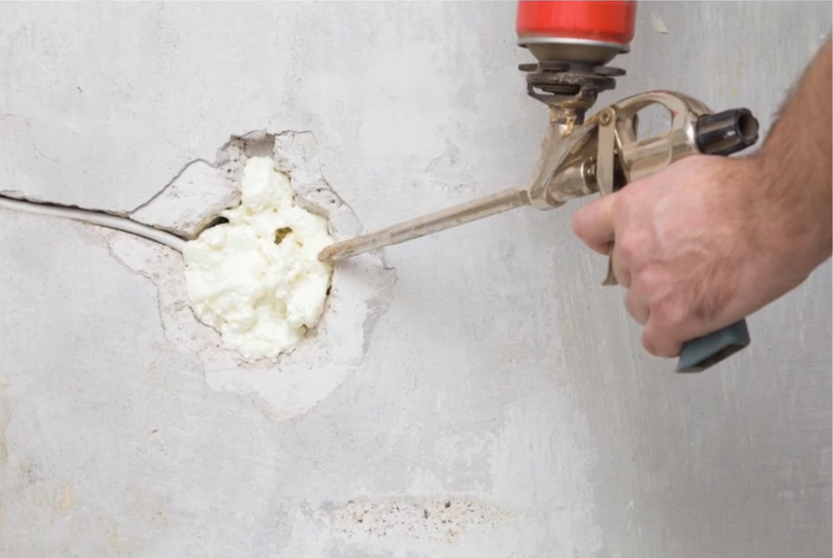
Every entry point sealed with materials rated for Bend mountain conditions: → 304-grade stainless steel hardware cloth Not galvanized — galvanized corrodes in Bend’s wet winters and fails within 2-3 freeze-thaw seasons → Metal flashing and reinforced thresholds Not foam — foam degrades in Bend’s freeze-thaw cycles and creates new gaps within 12-18 months → UV-resistant vent guards Not plastic — plastic cracks under Central Oregon UV exposure After sealing: HEPA vacuum of all droppings using hantavirus-safe protocols. Enzyme deodorizer applied to all scent trail pathways. A 30-day follow-up confirms every entry point is holding and every trap is clear. Full photo-documented close-out report provided.
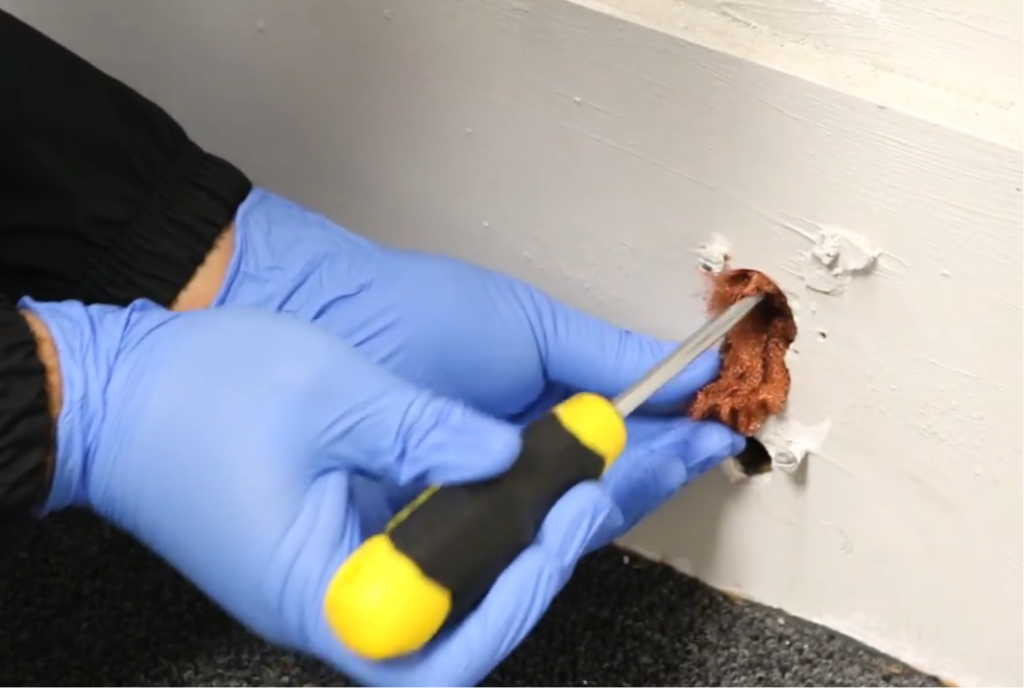
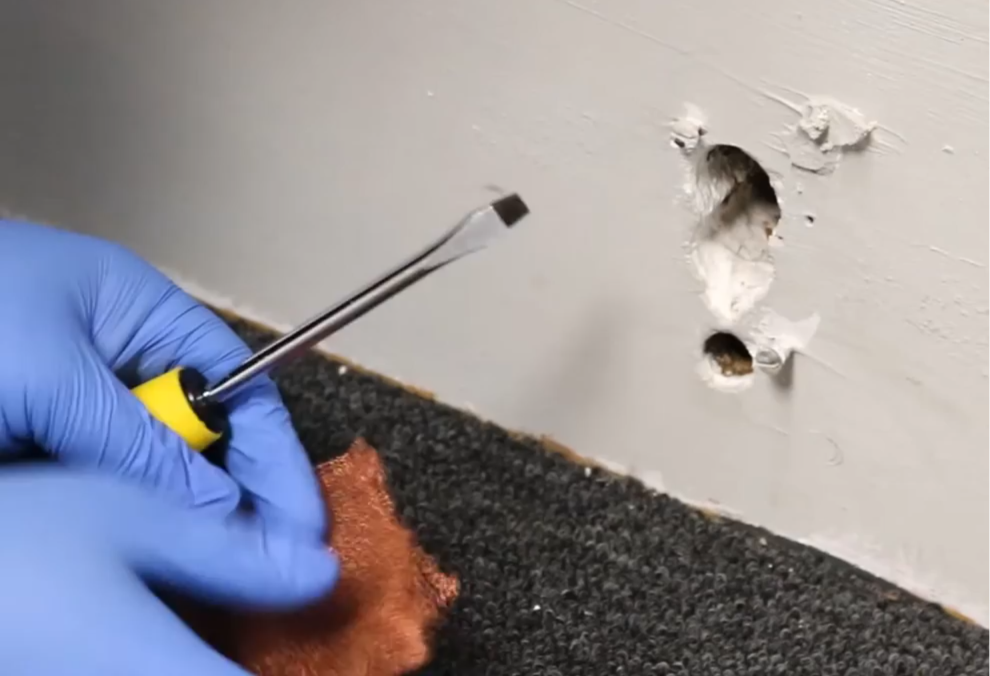
📞 Never handle attic droppings alone — Call (458) 291-2529 first
Bend Rodent Seasons
When Bend Homeowners Need to Act
Know Your Risk Window! Understanding timing is the difference between a $400 prevention job and a $3,000 restoration.
Season: September — November PEAK INVASION SEASON
First Freeze = Forest Migration
Deer mice migrate from Deschutes National Forest as Bend temperatures drop below 40°F. Rodents establish scent trails within 48-72 hours. One pair entering in October becomes 40+ animals by March. Ponderosa pine cone drop attracts rodents to rooflines. Squirrels seek attic insulation for winter nesting. THIS IS BEND’S HIGHEST-RISK WINDOW. Act before a colony establishes the cost difference between early and late treatment is 5x.
Season: December — February COLONY ESTABLISHMENT
Breeding Season Inside Your Walls
Rodents already inside breed without winter dormancy. Deer mice breed year-round in warm attic spaces. One November pair = 40-80 animals by March. Insulation damage compounds every single week. Wiring gnaw damage accumulates silently. Scent trails harden and become permanent highways. Every week of delay this winter = higher restoration cost in spring. If you hear scratching now, act now.
Season: March — May
SPRING SURGE
New Families, Lawn Damage
New rodent families born inside walls all through spring.
Deer mice and rat activity increases as breeding accelerates.
Spring inspection reveals the full extent of winter damage.
Ideal window for preventive exclusion before next fall. If you have not had an inspection since last fall, spring is your second-best time to act.
Season: June — August
VACATION HOME RISK
Empty Properties = Undetected Infestations
Sunriver and Bend vacation properties left unattended. A winter infestation discovered in June instead of November means 6+ months of unrestricted colony growth. Insulation damage and wiring gnaw costs 3-4x higher. Pre-season exclusion before October = smart investment that pays for itself in restoration costs avoided. If you own a vacation property or STR in Central Oregon: get a pre-season inspection before September.
Hantavirus in Bend, OR
What you must know before touching anything:
⚠️ Hantavirus spreads through breathing dried rodent droppings disturbed into the air not through bites
⚠️ Symptoms appear 1-5 weeks after exposure and can be severe early medical attention is critical
⚠️ An N95 respirator not a surgical mask is the minimum required protection in any Bend attic or crawlspace with rodent evidence
⚠️ Never dry-sweep or dry-vacuum rodent droppings in Central Oregon this aerosolizes virus particles
⚠️ Every attic cleanup in Bend requires wet enzyme pre-treatment of all surfaces before any disturbance
Read Our Full Hantavirus Safety Guide → Hantavirus Guide
What Bend Homeowners Say When we Solved Their Rat Problem in Bend
Real Bend Homes – Real Results
Before and After: Proof From Bend Area Homes
Every photo below comes from a real Bend area home. Real entry points found. Real exclusion work completed. Real results guaranteed for 90 days. Every job includes a GPS-tagged photo report like these.
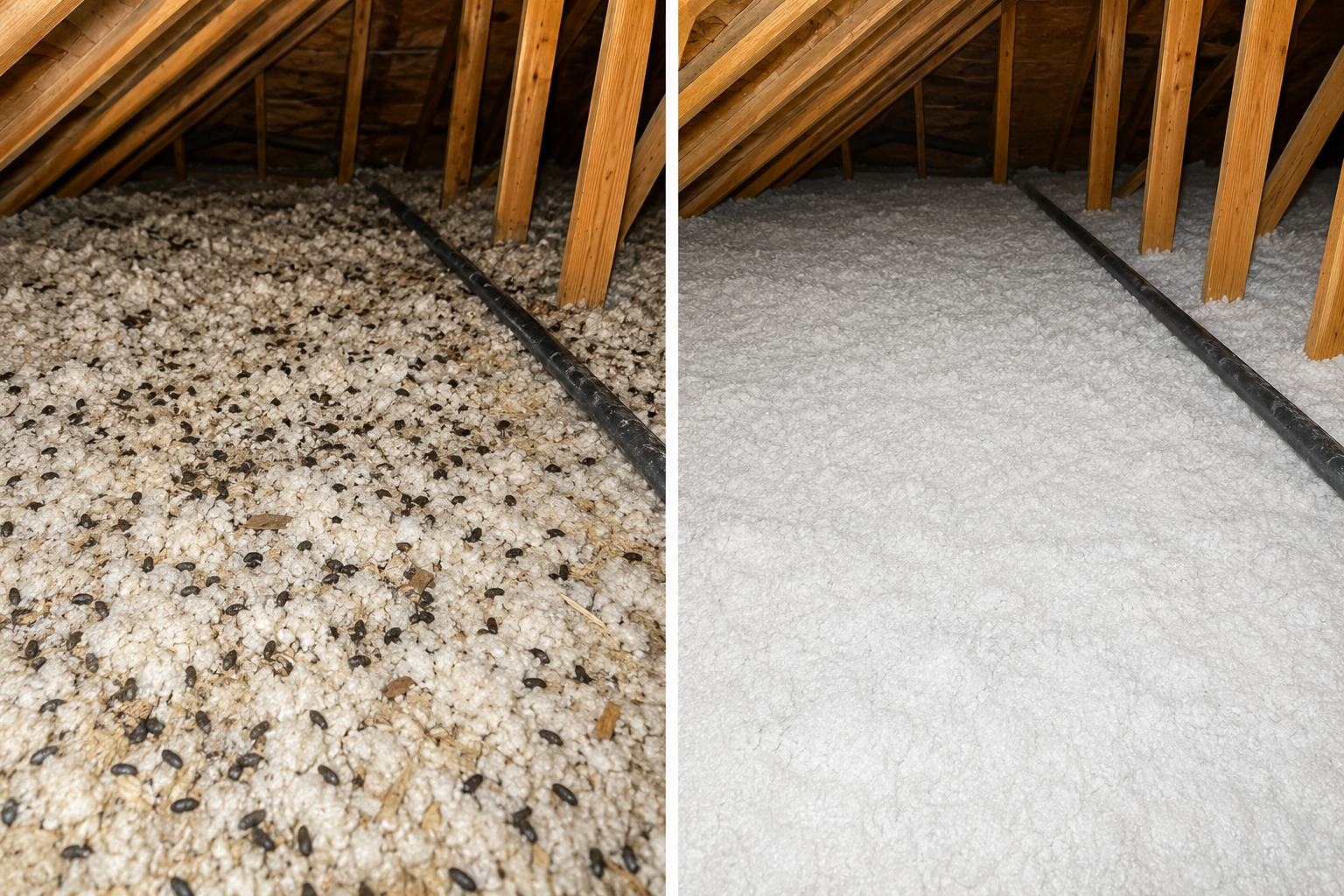 Before / After
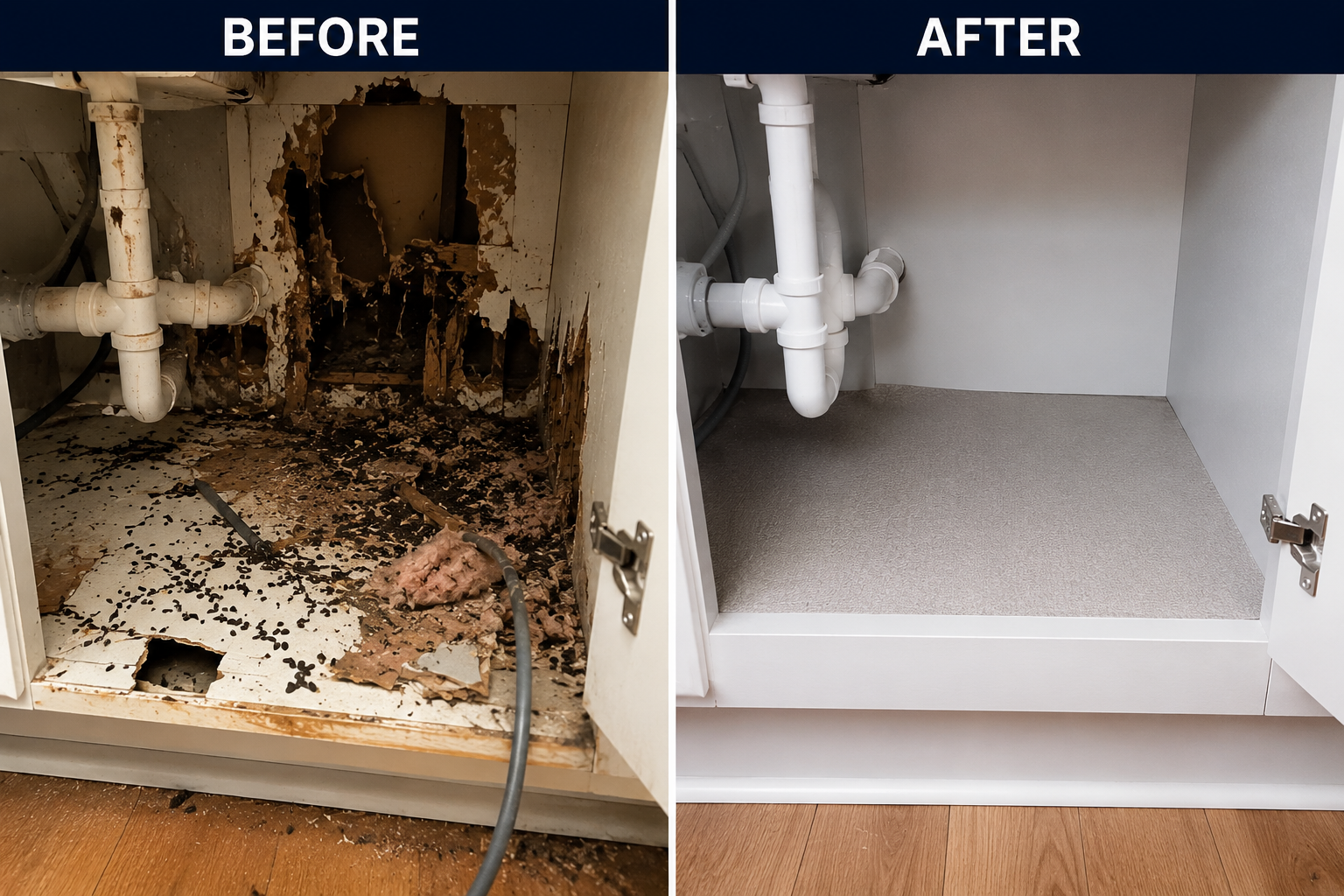 Before / After
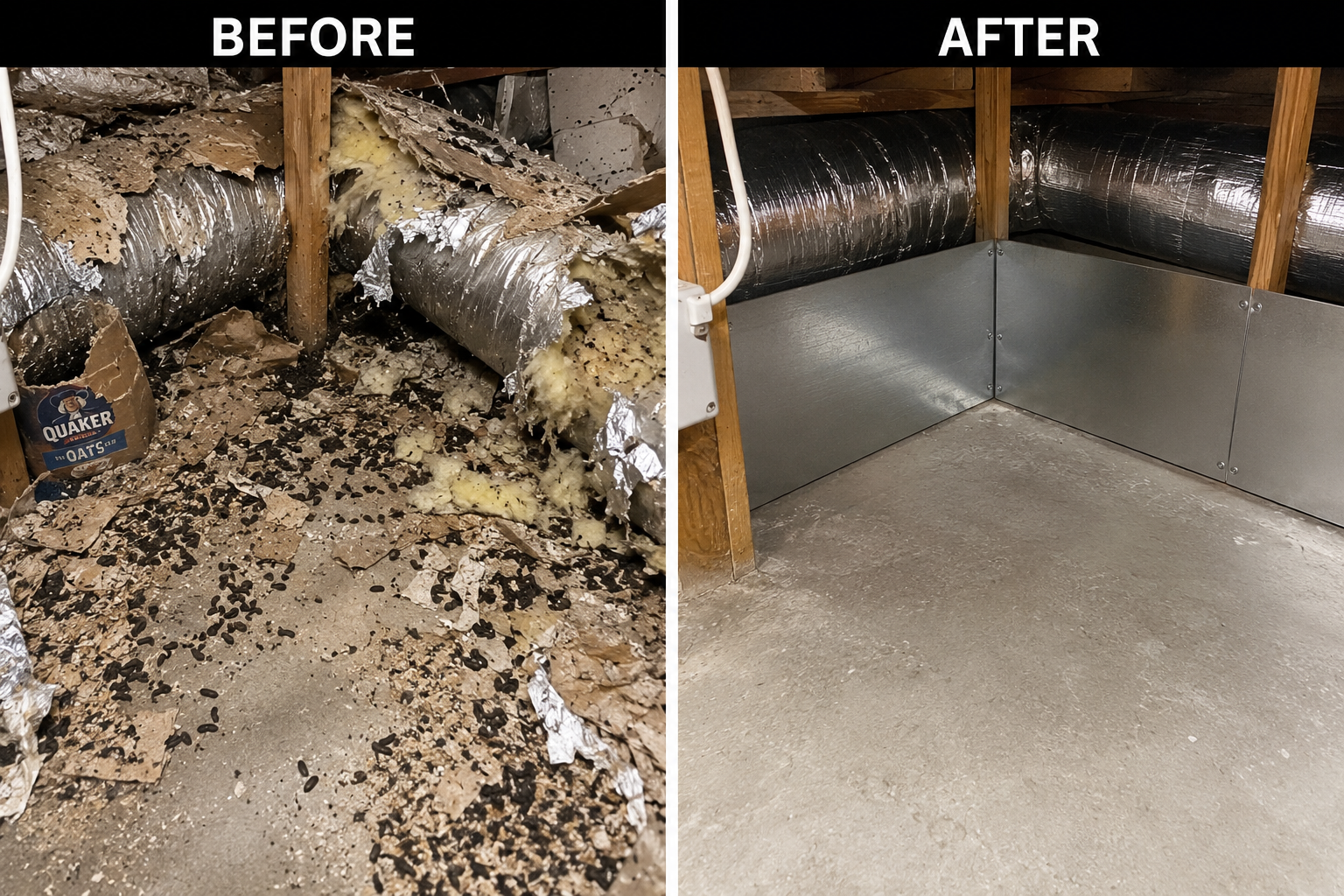 Before / After
We use mechanical snap traps and one-way exclusion devices only. Safe throughout the entire process — Day 1 through final sealing — for households with children, pets, and properties surrounded by Bend’s remarkable wildlife.
Real Bend Cases – Rodent Problems We Solved in Bend, OR
CASE STUDY 1
Forest Edge Home — 9 Entry Points, Two Previous Exterminators Failed
Awbrey Butte, West Bend, Deer Mice – Full Exclusion
THE PROBLEM: Homeowner on Awbrey Butte heard scratching every night starting in late September. Directly adjacent to the Deschutes National Forest boundary, their home sat on the primary deer mouse migration corridor. Two general exterminators had placed bait stations over two consecutive falls problem returned each year without exception.
WHAT WE FOUND: 9 entry points along the soffit-fascia junction 7 of them visible only from roofline access. Two Ponderosa pine branches within 14 inches of the roofline acting as direct bridge routes into the attic. AC return penetration sealed only with degraded foam from original installation completely compromised. Evidence of deer mice throughout attic insulation requiring hantavirus-safe decontamination.
WHAT WE DID: Sealed all 9 points with UV-stable stainless hardware cloth and metal flashing rated for Bend’s freeze-thaw climate. Removed active colony over 6 days using mechanical snap traps no poison used. HEPA-vacuumed contaminated insulation using full hantavirus-safe protocol. Applied enzyme deodorizer to eliminate scent trails. Pine branches trimmed to 6-foot clearance from roofline. 30-day follow-up confirmed all entries sealed.
CASE STUDY 2
New Construction Home – Displaced Colony From Development
Northwest Crossing, NW Bend, House Mice + Deer Mice, Foundation Exclusion
THE PROBLEM: Family in Northwest Crossing found droppings in garage and heard activity in walls six months after moving in. New construction had disturbed an existing ground squirrel and mouse colony during site development. Displaced population relocated to the nearest completed structure their new home.
WHAT WE FOUND: Both house mice in lower level walls and deer mice in attic two separate species requiring different removal protocols. Primary entry: concrete foundation gap where garage slab meets foundation wall, a 3/8 inch gap, standard settlement in new construction. Secondary: pipe penetration gaps in utility room. Third entry: garage door threshold gap on north side where seal had not seated correctly. 6 total entry points all at ground level.
WHAT WE DID: Species-specific removal protocol separate hantavirus procedure for deer mice vs standard protocol for house mice. Sealed all 6 points with stainless mesh and metal flashing. Attic inspection confirmed no insulation contamination, early catch prevented expensive restoration. Interior trapping cleared all activity in 4 days. Provided complete new homeowner guide to Central Oregon rodent seasons and fall prevention checklist.
CASE STUDY 3
Sunriver Vacation Property 6-Month Undetected Infestation
Sunriver, OR, Deer Mice + Squirrels, Full Attic Restoration
THE PROBLEM: Portland family returned to their Sunriver vacation property found an established deer mouse colony throughout the attic alongside active squirrel nesting in the northeast corner. The property had been unmonitored from November to April. A colony that entered in early November had bred through an entire Oregon winter without intervention.
WHAT WE FOUND: 15 active entry points among the highest we document annually in the Sunriver area. Insulation contaminated across 340 square feet with droppings and nesting material. Squirrel entry through two degraded plastic roofline vent screens that had cracked under UV exposure. Hantavirus risk assessment: HIGH full decontamination protocol required throughout. Owners located in Portland entire service managed remotely.
WHAT WE DID: Emergency hantavirus-safe attic decontamination initiated. Full PPE protocol throughout N95 respirator, Tyvek suit, nitrile gloves worn by all technicians at all times. Enzyme pre-spray applied to all surfaces before disturbance. HEPA vacuum of 340 sq ft contaminated insulation. Removed and replaced all compromised insulation sections. Sealed all 15 entry points with 304-grade stainless hardware cloth. Replaced cracked plastic vent screens with UV-stable stainless mesh.
Serving Bend OR and All of Central Oregon — Same Day to Most Areas
- Bend, OR — Primary Service Area: All Bend neighborhoods including Awbrey Butte, Northwest Crossing, Old Bend, Downtown Bend, and forest-edge areas with highest deer mouse pressure.
- Redmond, OR: High desert community 20 miles north. Deer mouse and rat specialists for agricultural edge properties. Downtown Redmond older housing served.
- Sisters, OR: Directly borders Three Sisters Wilderness, among highest wildlife pressure locations in Oregon. Deer mouse and hantavirus specialists for this area.
- Sunriver, OR: Vacation property and STR specialists. Remote property service with daily photo documentation. Pre-season inspection program available.
- La Pine, OR: High elevation rural properties at 4,445 feet. Severe winters drive rodents indoors earlier and harder. Agricultural properties and multiple outbuildings served.
- Tumalo, OR: Deschutes River adjacent community. River rat and deer mouse pressure both active. Horse properties and agricultural sites served.
- Terrebonne, OR: Near Smith Rock State Park. Agricultural rodent pressure from farmland adjacency. Remote property service available.
- Powell Butte, OR: Rural farming community with field mouse pressure. Multiple outbuilding service available. Less competition, more personal service for rural clients.
Also serving: Alfalfa, Prineville, Culver, Madras, Metolius, and surrounding Central Oregon communities.
Call (458) 291-2529 to confirm service to your area
Got Questions?
Real answers to the questions Bend homeowners actually ask including the ones about pricing that most pest companies avoid answering. Read more FAQs
Ready to Permanently Solve Your
Rodent Problem in Bend?
Act Before the Damage Compounds
Call us now to get your rodent control service available at your door step in Bend Same-Day
Same-Day Available